
UAE Crypto License: VARA & ADGM Requirements, Cost & Process (2026)

UAE Crypto License: VARA & ADGM Requirements, Cost & Process (2026)

Get your VARA or ADGM crypto license with expert guidance. Full-service support from company incorporation to regulatory approval, 4 to 6 month timeline.

Fintech Simple has helped crypto businesses obtain UAE licenses since 2018, working across the country’s multi-regulator landscape. Our team handles VARA (Dubai) and ADGM (Abu Dhabi) applications end-to-end, from jurisdiction selection and company formation through compliance setup and regulatory approval. With over 500 licenses obtained across 40+ jurisdictions, we bring practical experience to every stage of your UAE crypto licensing process.

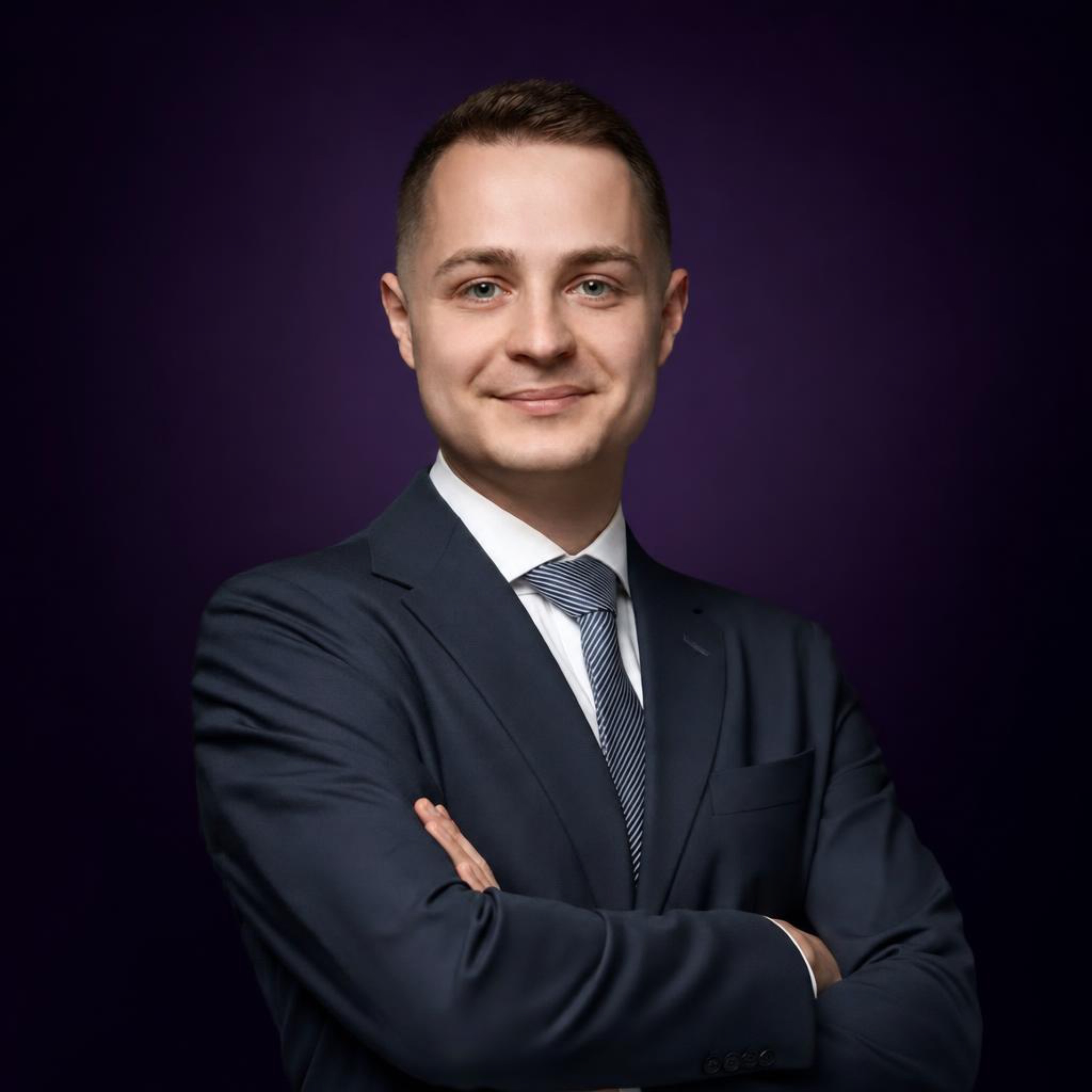
Patrik Asevicius — UAE licensing expert at Fintech Simple
Patrik Asevicius
Head of Licensing Department, UAE & offshore jurisdictions

TL;DR for decision-makers

The UAE offers two crypto licensing paths—VARA (Dubai, retail-facing) and ADGM (Abu Dhabi, institutional, English common law). Timeline: 4–6 months end-to-end. Year-one all-in cost: $100K–$200K for a single VARA activity, $350K–$500K for ADGM—our service fee ($15K/$35K) is under 15% of real spend. VARA minimum capital ranges from AED 100,000 (~$27K) for advisory to AED 1,500,000 (~$409K) for exchanges; ADGM starts at USD 250,000. Actual capital is the higher of the absolute threshold or a percentage of fixed annual overheads. Tax: 0% personal income, 0% capital gains, VAT-exempt crypto, 0% corporate tax in free zones. Both regulators require a physical office, local compliance officer, and residency visas. Picking the wrong regulator costs months—if unsure, start with a consultation.

Regulatory Framework for Crypto in the UAE

Timeline
4–6 months
Crypto tax
0% personal income
Min. Capital from
AED 100,000

The UAE does not operate a single federal crypto regulator. Instead, five distinct authorities govern virtual assets depending on where your business is incorporated and what activities it conducts: VARA in Dubai, ADGM/FSRA in Abu Dhabi, CMA at the federal level, CBUAE for payment tokens, and DFSA within DIFC. Choosing the wrong jurisdiction, or misreading jurisdictional boundaries, can delay your launch by months and require a full restructure. Before applying for a UAE crypto license, you need to understand which regulator has authority over your business model.

VARA (Virtual Assets Regulatory Authority)

VARA is the primary crypto regulator for the Emirate of Dubai, established under Dubai Law No. 4 of 2022, which made Dubai the first jurisdiction in the world to enact dedicated legislation creating a standalone virtual assets authority. VARA's jurisdiction covers onshore Dubai; it does not extend to Abu Dhabi, federal territory, or other emirates operating under their own frameworks.

VARA licenses seven categories of virtual asset service: advisory, broker-dealer, custody, exchange, lending and borrowing, VA management and investment, and VA transfer and settlement. It also regulates VA Issuance (token creation) as a separate activity. Applicants must meet minimum capital requirements ranging from AED 100,000 for advisory services to AED 1,500,000 for exchange services, appoint local compliance and AML officers, and maintain segregated client funds. VARA publishes its full rulebook and activity-specific regulations publicly, giving applicants clarity on obligations before submission.

ADGM & FSRA (Abu Dhabi Global Market)

The Abu Dhabi Global Market (ADGM) is a financial free zone on Al Maryah Island with its own legal system based on English common law. Virtual asset businesses operating within ADGM are regulated by the Financial Services Regulatory Authority (FSRA). The FSRA introduced its virtual asset framework in 2018—one of the earliest in the region—and has since issued guidance covering spot exchanges, custodians, and virtual asset investment managers.

An ADGM crypto license is issued under the Financial Services and Markets Regulations. FSRA-regulated firms operate entirely within the ADGM perimeter; they are not subject to VARA or CMA oversight for their licensed activities. The ADGM framework is frequently chosen by institutional-grade exchanges and asset managers targeting sophisticated investors, in part because ADGM's common law courts provide a familiar dispute resolution environment for international counterparties. Full regulatory details are published on the ADGM website.

CMA and CBUAE

Two federal regulators hold authority over specific virtual asset categories outside the free zones:

  • Capital Markets Authority (CMA) — Regulates virtual assets classified as securities or commodities at the federal level, and oversees crypto activities on mainland UAE outside VARA's Dubai jurisdiction. Businesses seeking to offer tokenised securities, crypto investment products, or virtual asset trading on federal exchanges must engage with the CMA rather than VARA or FSRA.
  • Central Bank of the UAE (CBUAE) — Has supervisory authority over payment tokens. Under the Payment Token Services Regulation issued in 2023, any business issuing, converting, or intermediating dirham-pegged or foreign-currency-pegged stablecoins requires CBUAE authorisation. Pure utility tokens and investment tokens fall outside CBUAE scope, but any product that functions as a means of payment triggers the payment token regime.

In practice, many crypto businesses operating in onshore UAE navigate a multi-regulator situation: VARA (or CMA) for exchange or custody activities, and CBUAE if their product incorporates a payment token component. Understanding which regulators apply to your specific business model is essential before beginning the application process.

RAK DAO & Other Free Zones

RAK DAO (Ras Al Khaimah Digital Assets Oasis) is the UAE's newest dedicated Web3 and digital assets free zone, launched in 2024 by the Government of Ras Al Khaimah. It is designed specifically for DAOs, DeFi protocols, NFT platforms, and blockchain-native businesses that do not fit neatly into traditional financial services licensing categories.

Unlike VARA or ADGM, RAK DAO operates as a business registration and free zone authority rather than a financial regulator issuing activity-specific licences. Entities registered in RAK DAO benefit from 0% corporate tax on qualifying activities, 100% foreign ownership, and a framework that recognises decentralised governance structures. However, businesses conducting regulated virtual asset services—such as operating an exchange or providing custody—still require a financial services authorisation from the relevant regulator (VARA, FSRA, or CMA) on top of RAK DAO registration.

Other free zones such as the Dubai Multi Commodities Centre (DMCC) and the Dubai Silicon Oasis (DSO) permit blockchain and crypto-related companies to incorporate and operate technology or consultancy activities, but they do not issue standalone virtual asset regulatory licences. Businesses in these zones conducting regulated financial services must hold a concurrent VARA authorisation.

Which regulator applies to your business?

The answer depends on your emirate of incorporation, activity type, and target customer base. Our team maps your business model to the correct regulatory pathway before you submit a single document.

UAE Crypto License Cost

Our Packages

Choose based on your activity type, entity complexity, and how much internal compliance capacity you already have. VARA Standard suits single-activity businesses (e.g., exchange-only). VARA Premium covers multi-activity applicants or those needing accelerated turnaround. ADGM Full is for operators targeting institutional clients or requiring FSRA authorization under the ADGM crypto framework.

VARA Standard $15,000
VARA Premium $25,000
ADGM Full $35,000
Regulatory authority VARA (Dubai) VARA (Dubai) ADGM / FSRA (Abu Dhabi)
Number of licensed activities 1 activity Up to 4 activities Up to 5 activities (FSRA categories)
Target timeline to submission 10–14 weeks 6–10 weeks 12–16 weeks
AML/CFT policy drafting
Compliance framework & internal controls manual
Whitepaper & business plan review
Dedicated compliance officer onboarding support
Technology & cybersecurity policy drafting (ADGM requirement)
Regulator meeting preparation & mock Q&A
Post-license support (queries, regulator correspondence) 90 days 6 months 12 months
VARA Standard $15,000
  • 1 licensed activity (e.g., exchange or broker-dealer)
  • Company incorporation in Dubai
  • AML/CFT policy drafting
  • Document preparation & filing
  • 90 days post-license support
  • Compliance framework manual
  • Business plan review
  • Regulator meeting prep
VARA Premium $25,000
  • Up to 4 licensed activities
  • Company incorporation in Dubai
  • AML/CFT policy drafting
  • Compliance framework & internal controls manual
  • Business plan & whitepaper review
  • Regulator meeting prep & mock Q&A
  • 6 months post-license support
  • Compliance officer onboarding
ADGM Full $35,000
  • Up to 5 FSRA-category activities
  • Company incorporation in ADGM
  • AML/CFT policy drafting
  • Compliance framework & internal controls manual
  • Business plan & whitepaper review
  • Technology & cybersecurity policy drafting
  • Compliance officer onboarding support
  • 12 months post-license support

Government Fees

The service fee above covers our work. The following government and regulatory fees are paid directly to the relevant authority and are separate from (not included in) any of the packages above. These figures are based on VARA's published fee schedule and ADGM's digital assets framework as of 2025. Fees are subject to change; we confirm exact amounts at application stage.

Fee itemAuthorityAmount (USD approx.)Notes
VARA Application fee VARA (Dubai) $11,000–$27,000 AED 40,000–100,000; one-time, non-refundable; amount depends on activity type
VARA Annual supervision fee VARA (Dubai) $22,000–$55,000 / year AED 80,000 (advisory, transfer) to AED 200,000 (exchange, custody, broker-dealer); charged per licensed activity
ADGM Application fee FSRA (Abu Dhabi) ~$25,000–$35,000 USD 25,000 for principal activity (Category 3C) + USD 10,000 per additional activity
ADGM Annual authorization fee FSRA (Abu Dhabi) ~$25,000–$35,000+ / year USD 25,000 principal activity + USD 10,000 per additional activity + VA add-on fees
Minimum share capital — VARA VARA (Dubai) $27,000–$409,000 Higher of absolute threshold or % of fixed annual overheads; AED 100,000 (advisory) to AED 1,500,000 (exchange without approved custodian); must be paid-up and held in UAE bank
Minimum share capital — ADGM FSRA (Abu Dhabi) $250,000–$2,000,000 USD 250,000 (Category 3C) to USD 2,000,000 depending on FSRA category; VA custodians: higher of USD 250,000 BCR or 6 months’ annual audited expenditure (per June 2025 FSRA amendments)
Freezone registration & trade license DMCC / DWTC / ADGM $5,000–$15,000 Annual; required alongside crypto license

VARA's fee structure is tiered by activity. An exchange operator (buying and selling virtual assets) sits in the highest tier (AED 200,000/year). A transfer and settlement provider sits in the lower tier (AED 80,000/year). If you are licensed for multiple activities, VARA charges the supervision fee for each licensed activity separately. Fees stack, so a firm licensed for exchange + custody + broker-dealer would pay AED 600,000/year in supervision fees alone.

Total Budget Estimate

The figures below show the realistic all-in budget for a VARA crypto license price Dubai or an ADGM authorization. These are planning figures, not quotes. Your exact costs depend on activity type, headcount, and the specific office space you secure.

VARA license, total all-in cost range

A single-activity VARA license with minimum share capital runs approximately $100,000–$200,000 in year one for lower-tier activities (advisory, transfer). This covers: our service fee ($15,000–$25,000) + VARA application fee (AED 40,000–100,000, i.e. ~$11,000–$27,000) + VARA annual supervision fee (AED 80,000–200,000, i.e. ~$22,000–$55,000) + paid-up share capital (AED 100,000–1,500,000 depending on activity, i.e. ~$27,000–$410,000) + UAE office space (physical presence is mandatory; budget $12,000–$30,000/year) + residency visas for key personnel ($3,000–$6,000 per visa including medical and Emirates ID) + bank account opening ($0 fee, but plan 4–8 weeks and provide full KYB documentation). An exchange operator without a VARA-licensed custodian faces the higher of AED 1,500,000 (~$409,000) or a percentage of fixed annual overheads in paid-up capital, pushing year-one totals significantly higher.

Our Experts

Our in-house team of regulatory lawyers has been licensing crypto businesses in the UAE and globally since 2016. With 500+ VASP and CASP license approvals across 40+ jurisdictions, we know how VARA and FSRA operate and what it takes to get your application approved.

Patrik Asevičius
Patrik Asevičius Lawyer, UAE & offshore licensing
Ilya Nikiforov
Ilya Nikiforov International Corporate Law Attorney
Anastassia Rumjantseva
Anastassia Rumjantseva Lawyer

VARA vs ADGM: Which License Do You Need?

The UAE has two dominant crypto licensing regimes: VARA (Virtual Assets Regulatory Authority) in Dubai, and the ADGM (Abu Dhabi Global Market) Financial Services Regulatory Authority in Abu Dhabi. They serve different business models, attract different investor types, and carry different cost and timeline profiles.

Comparison Table

Capital figures are minimums set by each regulator; actual requirements may be higher depending on licensed activities.

CriterionVARA — DubaiADGM — Abu Dhabi
Regulator Virtual Assets Regulatory Authority (VARA) FSRA — Financial Services Regulatory Authority
Jurisdiction Emirate of Dubai (onshore mainland + free zones excluding DIFC) ADGM free zone, Al Maryah Island and Al Reem Island, Abu Dhabi
Activity scope Exchange, broker-dealer, custody, lending, VA transfer & settlement, VA management & investment, advisory Multilateral trading facility, OTC broker, custody, exchange token issuance, investment management, crypto lending
Min. capital AED 100,000 (~USD 27,200) advisory; broker-dealer: higher of AED 400,000 or 15% of overheads (with approved custody) / AED 600,000 or 25% of overheads (without); custody: higher of AED 600,000 or 25% overheads; exchange: higher of AED 800,000 (with VARA-licensed custodian) / AED 1,500,000 (without) USD 250,000 to USD 2,000,000 depending on FSRA category and activity; Category 3C (asset/fund management) at USD 250,000 base; Category 3A (matched-principal broker) at higher tiers
Typical timeline 4–6 months from complete filing to MVP (Minimum Viable Product) licence; full operational licence (FMP) after 6–12 months in MVP phase 6–10 weeks for in-principle approval from complete application; full license granted after operational readiness review (total 4–6 months)
Annual supervision fees AED 80,000–200,000 (~USD 21,800–54,500) depending on activity class USD 25,000 application fee (Category 3C) + USD 10,000 per additional activity; annual supervision and VA add-on fees per FSRA Schedule 2
Best for Retail-facing exchanges, consumer apps, NFT platforms, regional operators targeting GCC customers Institutional trading desks, asset managers, family offices, global firms wanting common law environment

When to Choose VARA

VARA makes sense when your business model is oriented toward retail customers in the UAE and broader GCC. Dubai’s consumer market is large (over 4 million residents), and crypto adoption rates in the UAE consistently rank among the highest globally. VARA’s framework was designed for this market: it covers a wider range of consumer-facing virtual asset activities under a single regulator, and it operates within Dubai’s onshore legal environment rather than a separate free-zone court system.

Choose VARA if one or more of the following apply:

  • Retail exchange or trading app — You plan to onboard individual retail clients in Dubai or the wider UAE. VARA explicitly licenses retail-facing broker-dealers and exchanges; ADGM’s regime is more restricted for mass-market retail.
  • NFT or digital collectibles platform — VARA is one of the few regulators globally with a dedicated rulebook for NFT-related VA activities.
  • Dubai physical presence required — If you need a Dubai mainland address for commercial reasons (partnerships, real estate tokenization, Dubai government contracts), VARA is the operative regulator.
  • Lower initial capital — VARA’s base capital requirements start at AED 100,000 (~USD 27,200) for advisory services and AED 400,000 (~USD 109,000) for broker-dealer with approved custody (or the higher of that amount and 15% of fixed annual overheads), making it accessible for early-stage operators who have not yet raised institutional capital.
  • Staged licensing — VARA offers an MVP licence that lets you operate in a controlled environment before you graduate to a full operational licence (FMP). This reduces time-to-market while remaining compliant.

Key caveat

VARA requires a physical Dubai office and local compliance officer. VARA does not set a minimum office size, but your commercial licensor (DET or free zone authority) will have space requirements based on staffing. Budget for local substance costs before you start the application.

When to Choose ADGM

ADGM sits within a common law jurisdiction modeled on English law. The FSRA applies IOSCO-aligned standards and is recognized by sophisticated institutional counterparties (prime brokers, custodian banks, and institutional LPs) in a way that simplifies due diligence for global capital. If your business is B2B, asset-management-focused, or expanding from a regulated Western market, ADGM is typically the stronger credential.

Choose ADGM if one or more of the following apply:

  • Institutional or family office clients — ADGM’s Category 3C (asset/fund management) and Category 3A (matched-principal broker) licenses are purpose-built for professional investor services. The common law framework gives institutional clients legal familiarity they cannot get under UAE civil law.
  • Crypto asset management or fund — If you run a discretionary fund or structured product backed by digital assets, ADGM’s investment management permissions map directly to your activity. VARA’s management and investment rulebook is newer and less tested in practice.
  • Cross-border capital raising — ADGM-licensed entities are easier to bank internationally. Correspondent banks in Europe and Asia are more familiar with FSRA-regulated counterparties than with VARA-regulated ones, a practical advantage when opening USD nostro accounts or establishing prime brokerage relationships.
  • Global headquarters structure — Firms domiciling a global or regional HQ in the UAE for tax efficiency often prefer ADGM because it offers a separate corporate law framework (ADGM Companies Regulations), ring-fenced from UAE federal corporate law.
  • Proprietary trading desk — ADGM’s OTC broker and multilateral trading facility licenses suit institutional desks that execute large-block crypto trades for professional clients without needing a retail-facing interface.

Bottom line

VARA for Dubai crypto license applications targeting retail or regional GCC users; ADGM for an Abu Dhabi crypto license that serves institutional or global clients under a common law regime. If your model spans both (a retail exchange and an institutional custody arm, for example), you may need both licenses operating as separate legal entities. We can structure that arrangement to minimize duplicated regulatory overhead.

VARA License Categories and Activities

VARA regulates virtual asset activity in Dubai through seven main service categories—plus a separate VA Issuance activity for token creation—each tied to specific permitted activities and minimum capital thresholds. A firm conducting multiple activity types must hold authorization for each; there is no single “catch-all” crypto license. The VARA Rulebooks set out the detailed requirements for each category, and applications are submitted through the VARA licensing portal.

Category Permitted Activities Min Capital (AED)
Advisory Services Providing advice or recommendations on virtual asset investments, portfolio allocation, or market strategy AED 100,000
Broker-Dealer Services Executing orders on behalf of clients; acting as principal or agent in VA transactions; market-making activities Higher of AED 600,000 or 25% overheads / AED 400,000 or 15% overheads*
Custody Services Safeguarding virtual assets or private keys on behalf of clients; operating wallets; sub-custody arrangements Higher of AED 600,000 or 25% overheads
Exchange Services Operating a platform for buying, selling, or converting virtual assets against fiat or other virtual assets; order matching and price discovery Higher of AED 1,500,000 / AED 800,000*
Lending & Borrowing Services Extending credit backed by virtual assets; VA-collateralized lending; yield-bearing products; borrowing facilitation AED 500,000
VA Management & Investment Services Discretionary portfolio management of virtual assets; operating VA investment funds; providing investment advice on virtual assets AED 500,000*
VA Transfer & Settlement Services On-chain and off-chain transfer of virtual assets between wallets; settlement and clearing between counterparties AED 500,000

*Lower paid-up capital thresholds apply when using a VARA-licensed custodian. Actual paid-up capital is the higher of the absolute threshold shown or a percentage of fixed annual overheads (e.g. 15% for broker-dealer with custody, 25% without). All VASPs must also maintain liquid capital ≥ 1.2× monthly operational expenses.

Exchange Services

The Exchange Services category carries the highest capital requirement of any VARA activity (the higher of AED 1,500,000 or a percentage of fixed annual overheads without a VARA-licensed custodian, or AED 800,000 with one), reflecting the systemic risk a centralized exchange poses to retail users. Licensed exchanges may operate spot markets, offer order books or automated market-maker pools, and convert virtual assets against fiat currencies. VARA requires exchanges to maintain segregated client asset accounts and implement real-time transaction monitoring. Exchanges handling stablecoins must also comply with VARA’s Virtual Assets Issuance Rulebook where those tokens are issued or redeemed on-platform.

Broker-Dealer Services

Broker-dealers execute trades on behalf of clients or act as principal counterparty in VA transactions. The category covers execution-only services, full-service brokers that bundle advice with execution, and market makers quoting two-sided prices. Firms conducting principal trading must hold additional liquid capital equal to a percentage of gross VA positions (the exact ratio is set in the Broker-Dealer Rulebook). Broker-dealers are prohibited from co-mingling proprietary and client positions without explicit client consent and written disclosure.

Custody and Wallet Services

Custodians hold private keys or virtual assets on behalf of clients. VARA mandates a risk-based approach to cold and hot wallet allocation, requiring custodians to document their storage methodologies and submit to independent audit, with hot-wallet exposure subject to insurance coverage or an equivalent capital buffer. The Custody Rulebook specifies key management procedures, disaster recovery requirements, and third-party audit obligations. Firms offering non-custodial wallets (where the user retains key control) fall outside this category provided the firm cannot unilaterally move client funds. Sub-custodians used by licensed firms must themselves hold a VARA Custody Services authorization or an equivalent license recognized by VARA.

Lending, Borrowing & VA Management

VA Management & Investment Services covers discretionary portfolio management, fund management, and investment advice. Lending & Borrowing is a separate category governing credit products where virtual assets serve as collateral or as the loan denomination. Both require AED 500,000 in minimum paid-up capital (VA Management drops to AED 280,000 with a VARA-licensed custodian). A firm offering lending alongside portfolio management needs authorization under both categories. VARA’s Lending Rulebook imposes loan-to-value limits, margin call procedures, and liquidation protocols to protect borrowers from sharp price swings. Firms managing third-party VA portfolios may be required to appoint a licensed fund administrator depending on AUM and product type.

Advisory Services

At AED 100,000, Advisory Services is the most accessible entry point into VARA-regulated activity. Advisory licensees must comply with the full AML/CFT framework, appoint a compliance officer, and maintain professional indemnity insurance. Firms that go beyond pure advice (for example, by executing trades on behalf of clients) must obtain Broker-Dealer authorization in addition to the Advisory licence. VARA’s Advisory Rulebook sets out suitability assessment requirements, conflicts of interest disclosures, and record-keeping obligations.

Let Our Team Handle Your UAE License Application

From company incorporation to regulator approval, we manage every step. 500+ licenses obtained since 2016.

Requirements and Documents for UAE Crypto License

Before submitting an application to VARA or ADGM, you need to assemble a complete package of corporate documents, demonstrate qualified personnel, meet minimum capital thresholds, and establish a physical or registered presence in the UAE. Regulators review these elements in parallel, and a gap in any one area will delay or halt your application. Below are the UAE crypto license requirements for both frameworks, with notes where the two diverge.

Corporate Documents

Both VARA and ADGM require a complete set of corporate formation and governance documents. Missing items are one of the most common causes of processing delays.

  • Certificate of incorporation — issued by the relevant authority (ADGM Registration Authority for Abu Dhabi-based applicants, or a Dubai mainland/free zone entity for VARA applicants)
  • Memorandum and Articles of Association — must reflect the intended virtual asset activities
  • Passport copies — certified copies for all shareholders, directors, and beneficial owners holding 10% or more
  • Proof of address — utility bill or bank statement dated within 3 months, for all key individuals
  • Corporate structure chart — showing ownership chain up to ultimate beneficial owners
  • Business plan — detailed description of proposed activities, target markets, revenue model, and technology stack (typically 30–50 pages)
  • AML/CFT policy — must comply with UAE Federal AML Law and FATF standards; include transaction monitoring, KYC procedures, and suspicious transaction reporting protocols
  • Financial projections — 3-year pro-forma balance sheet, income statement, and cash flow statement
  • Source of funds declaration — for all shareholders contributing capital above threshold amounts, supported by bank statements or audited accounts
  • IT/cybersecurity framework — system architecture overview and security controls documentation

VARA additionally requires a Market Conduct rulebook acknowledgement and written confirmation that your systems can comply with VARA’s real-time reporting obligations. ADGM requires a regulatory business plan submitted on ADGM’s standard template, separate from your general business plan.

Key Personnel Requirements

Both regulators perform fitness-and-propriety assessments on named individuals. You must identify and provide CVs and qualification evidence for each role before submitting.

  • Directors (minimum 2 for ADGM) — at least one must be resident in the UAE or available for in-person meetings with ADGM supervisors; VARA does not mandate a minimum director count but expects a board with relevant crypto and financial services experience
  • Senior Executive Officer (SEO) — must be UAE-resident, approved by the regulator prior to the entity commencing operations; responsible for day-to-day management and regulatory interface
  • Compliance Officer — dedicated role, cannot be dual-hatted with the SEO; must hold relevant compliance qualifications (e.g. ICA Diploma, ACAMS, or equivalent—regulators require demonstrated competence but do not mandate a specific certification) and demonstrate virtual asset sector knowledge
  • Money Laundering Reporting Officer (MLRO) — can be the same individual as the Compliance Officer for smaller firms, but must be formally designated; responsible for filing Suspicious Transaction Reports (STRs) with the UAE Financial Intelligence Unit

Each named individual must submit a personal questionnaire, a detailed CV covering the last 10 years, and a criminal background check (apostilled for non-UAE nationals). Regulators check prior regulatory sanctions globally. Disclose any past enforcement actions upfront; undisclosed issues discovered later result in immediate rejection.

Practical note

If you do not yet have an MLRO or Compliance Officer on payroll, VARA and ADGM permit the appointment of a licensed third-party compliance service provider on an interim basis (subject to regulator approval). Budget 6–12 months for a permanent hire to be vetted and approved.

Capital and Financial Requirements

Minimum capital requirements vary by zone and by the specific virtual asset activities you intend to conduct. Both regulators require detailed financial forecasting alongside the capital evidence.

  • VARA (Dubai) — varies by activity: minimum paid-up capital is the higher of an absolute threshold or a percentage of fixed annual overheads. Thresholds range from AED 100,000 (~USD 27,000) for advisory services to AED 1,500,000 (~USD 409,000) for exchange services without a VARA-licensed custodian; broker-dealer: higher of AED 400,000 or 15% of overheads (with approved custody) / higher of AED 600,000 or 25% of overheads (without); custody: higher of AED 600,000 or 25% of overheads
  • ADGM (Abu Dhabi): base minimum capital of USD 250,000 for most virtual asset permissions; VA custodian capital is the higher of USD 250,000 or 6 months’ annual audited expenditure (per June 2025 FSRA amendments)
  • Lower-activity ADGM licenses (Category 4 — advisory/arranging): reduced capital requirements apply; Category 3C (fund/asset management) requires higher capital tiers

Capital must be fully paid-up and held in a UAE-licensed bank account at the time of application. The regulator will request a bank reference letter confirming the balance.

Beyond minimum capital, both VARA and ADGM expect applicants to demonstrate 6–12 months of operational runway, meaning sufficient liquid funds to cover projected operating expenses (salaries, office rent, technology, compliance costs) without relying on future revenue. Your financial projections must show this runway explicitly.

See ADGM’s Rules and Regulations for the current capital adequacy requirements under the Financial Services and Markets Regulations.

Physical Presence & Office

VARA and ADGM take different positions on office requirements.

  • VARA (Dubai): requires a physical office in Dubai with a valid tenancy contract (Ejari-registered). VARA does not set a minimum office size—space requirements come from your commercial licensor (DET or the relevant free zone) based on staffing needs. In practice, a flexi-desk in a co-working space is generally not accepted by licensors for VASP activities, so budget for a dedicated office.
  • ADGM (Abu Dhabi): requires substance for all FSP (Financial Services Permission) holders, including VA-regulated firms. The FSRA’s Guidance specifically addresses substance requirements for Authorised Persons. While ADGM offers more flexibility than VARA within its perimeter (e.g. serviced offices on Al Maryah or Al Reem Island), a genuine physical presence with operational staff is expected for regulated activities.

Budget AED 60,000–150,000 per year for a compliant Dubai office (depending on size and district), or AED 15,000–40,000 per year for an ADGM registered office arrangement. Both regulators will physically inspect the office as part of their licensing process, so the premises must reflect the scale of the business described in your application.

Insurance and Indemnity

Both VARA and ADGM mandate insurance coverage before a licensed entity goes live.

  • Professional Indemnity Insurance (PII): required for advisory, brokerage, and asset management activities; minimum coverage amounts are set by each regulator in their rulebooks and typically range from USD 1 million to USD 5 million depending on activity type
  • Cyber and Crime Insurance: VARA specifically requires virtual asset service providers to hold cyber liability and crime (including employee dishonesty and third-party hack) coverage; coverage levels are determined based on the VASP’s risk profile and activity scope, with exchange operators typically obtaining USD 2 million or more in practice
  • Directors and Officers (D&O) Insurance: not mandatory under all VARA/ADGM categories, but strongly recommended; regulators view its absence as a governance risk signal during the fitness-and-propriety assessment

Obtain insurance from a UAE-licensed or DIFC/ADGM-approved insurer. Offshore policies not admitted in the UAE are unlikely to satisfy the regulator. Provide the policy schedule and certificate of currency as part of your application bundle. Policies must remain in force for the full license term and be renewed before expiry to avoid suspension.

Timeline impact

Sourcing compliant PII and cyber coverage for a UAE crypto entity takes 4–8 weeks on average. Start the insurance process in parallel with your corporate setup. Waiting until the rest of the application is ready will add two months to your overall timeline.

Taxation for Crypto Companies in the UAE

You pay 0% personal income tax, 0% capital gains tax, and, if you operate from a free zone, 0% corporate tax. Since 15 November 2024, crypto transactions are also exempt from VAT. For many crypto businesses, the total tax burden in the UAE is zero.

Corporate Tax

The UAE introduced a federal corporate tax in June 2023 at a standard rate of 9% on taxable profits above AED 375,000 (approximately USD 102,000). However, this rate applies only to mainland companies. Free zone entities that meet the “qualifying free zone person” criteria continue to benefit from a 0% corporate tax rate on qualifying income, including income from crypto activities conducted within or from the free zone.

VARA licenses are issued to Dubai entities. ADGM licenses are issued within the Abu Dhabi free zone. Both structures can access the 0% free zone rate provided the company does not derive income from mainland UAE sources above a de minimis threshold and maintains adequate substance in the UAE. If your business primarily serves international clients, the 0% rate is straightforwardly achievable.

Tax Item Free Zone Mainland
Corporate tax rate 0% on qualifying income 9% on profits > AED 375,000
Personal income tax 0% 0%
Capital gains tax 0% 0%
VAT on crypto transfers Exempt (since Nov 2024) Exempt (since Nov 2024)
Withholding tax 0% 0%

VAT and Crypto Exemption

The UAE applies a standard VAT rate of 5%, but the Federal Tax Authority amended its Executive Regulations in October 2024 (effective 15 November 2024) to exempt crypto asset transfers and conversions from VAT. The exemption applies retroactively to transactions from 1 January 2018, the date VAT was first introduced in the UAE. Exchanges, OTC desks, and custodians processing crypto-to-crypto or crypto-to-fiat conversions no longer charge or collect VAT on those transactions.

CoinDesk confirmed the amendment on 7 October 2024, noting that the UAE had brought crypto in line with how conventional financial services (such as currency exchange) are treated for VAT purposes. Businesses that paid VAT on qualifying crypto transactions since 2018 may be eligible to file a voluntary disclosure and reclaim those amounts.

Ancillary services (software development, advisory fees, fund management) are not automatically covered by the crypto exemption and may still attract the 5% VAT if the service itself is not separately exempt.

Personal Income & Capital Gains

The UAE levies no personal income tax and no capital gains tax on individuals. This applies to founders, employees, and investors resident in the UAE, regardless of nationality. If you sell Bitcoin, receive token compensation, or realise gains on digital asset investments as a UAE resident, none of those gains are taxed at the individual level.

Unlike the Cayman Islands or Bermuda, which offer similar zero-tax positions, the UAE pairs this with a regulated onshore licensing framework (VARA, ADGM FSRA) that provides genuine legal recognition. Founders who relocate to Dubai and obtain UAE residency through a free zone license or a golden visa can lock in this tax position on a personal basis.

Double Taxation Treaties

The UAE has signed over 140 double taxation avoidance agreements (DTAAs), covering major jurisdictions including the UK, Germany, France, India, China, Singapore, and the Netherlands. These treaties prevent the same income from being taxed in both the UAE and the counterparty country, which matters when your business has cross-border revenue, employees in multiple countries, or investors repatriating profits.

For crypto businesses structured in a UAE free zone, the treaty network can reduce or eliminate withholding taxes on dividends, interest, and royalties paid to entities in treaty countries. The combination of a 0% domestic corporate rate and an extensive treaty network means that UAE-resident crypto entities often face the lowest effective global tax rate of any licensed jurisdiction. When evaluating where to incorporate, the DTAA coverage matters as much as the headline rate.

Planning note

Treaty benefits are available to UAE tax residents that can demonstrate substance in the UAE (local management, employees, and genuine operations). A shell entity with no physical presence is unlikely to qualify. Free zone setup with a real team satisfies the substance requirement for most treaty positions.

Compliance and Ongoing Obligations

Once VARA or ADGM issues your license, active supervision begins. VARA can inspect, sanction, or revoke at any time, and every obligation below is a condition of your license remaining valid.

Annual Reporting & Audits

Licensed VASPs must submit audited financial statements to VARA annually. The audit must be conducted by an approved external auditor registered in the UAE. Beyond financials, you are required to file an annual compliance report covering your AML/CTF controls, risk assessments, and any material changes to your business model or technology stack.

VARA also requires licensees to maintain a compliance officer and a money laundering reporting officer (MLRO) in senior roles. These individuals are personally accountable to the regulator. If either position becomes vacant, you must notify VARA within five business days and fill the role within 30 days. Internal audits of your control framework must be completed at least once per year, with findings documented and remediation timelines set.

AML/CTF Obligations

The UAE’s AML framework for crypto businesses combines VARA rulebook requirements with the CBUAE’s May 2023 AML/CFT guidance for licensed financial institutions. That guidance set requirements for how banks and licensed financial institutions must assess and manage risks arising from their relationships with virtual asset service providers.

Your core day-to-day obligations include:

  • Customer due diligence (CDD) — KYC at onboarding and enhanced due diligence (EDD) for high-risk customers and PEPs. Standard CDD applies to occasional transactions above AED 55,000 (~USD 15,000); for VASPs, CDD applies at AED 3,500
  • Transaction monitoring — real-time screening of all transactions against sanctions lists (UN, OFAC, EU) and detection of unusual patterns via automated systems
  • Suspicious activity reports (SARs) — filed with the UAE Financial Intelligence Unit (FIU) through the goAML portal within agreed timelines; tipping off the subject is a criminal offence
  • Travel Rule compliance — for transfers of AED 3,500 (~USD 950) or above, originator and beneficiary information must be transmitted to the counterpart VASP
  • Staff training — all client-facing and compliance staff must complete AML/CTF training at least annually, with records kept for five years
  • Policy reviews — your AML policy, risk appetite statement, and procedures must be reviewed and signed off by senior management at least once per year, or sooner after any regulatory update

License Renewal

VARA licenses are issued for a fixed term and must be renewed before expiry. The renewal window typically opens 90 days before the license expiry date. You must submit a renewal application through the VARA portal, accompanied by:

  • Updated audited accounts
  • A compliance attestation signed by your MLRO
  • Confirmation of current capital adequacy (meeting the minimum required for your activity class)
  • Any changes to directors, UBOs, or licensed activities since the previous period

VARA reviews the renewal against your supervision record. A history of late SAR filings, outstanding remediation items, or unresolved audit findings will delay or jeopardise renewal. Do not treat the renewal as a formality. Start preparing documentation at least 120 days before your expiry date. Operating with an expired license carries the same penalties as operating without one.

Penalties for Non-Compliance

VARA’s enforcement powers are set out in the VARA Rulebooks. The regulator can impose administrative fines, suspend specific activities, restrict client onboarding, or revoke a license entirely. Criminal referrals to UAE prosecutors are also within scope for serious AML breaches.

VARA fines

Administrative penalties can reach up to AED 10,000,000 per violation. Fines can be cumulative; each day of a continuing breach may constitute a separate violation. For AML failures specifically, CBUAE can impose parallel penalties on UAE-based entities in addition to VARA action.

The most common enforcement triggers seen in comparable jurisdictions are: failure to file SARs on time, inadequate transaction monitoring systems, gaps in Travel Rule implementation, and missing or outdated AML policies. Address these gaps before a VARA supervisory inspection, not after.

Free Zone Options for Crypto Businesses

If you want to operate a crypto business in the UAE without a mainland company, a free zone setup is the standard route. Free zones let you own 100% of your company, repatriate profits freely, and work within a defined regulatory perimeter. The catch: a free zone trade licence does not replace a Virtual Asset Service Provider (VASP) authorisation from VARA (on the mainland and in DMCC) or a financial services licence from FSRA (in DIFC/ADGM). You still need the relevant crypto permission on top of the corporate vehicle. What the free zone choice affects is your setup cost, visa allocation, physical office requirement, and which regulator you ultimately answer to.

DMCC Crypto Centre

DMCC (Dubai Multi Commodities Centre) is the largest free zone for crypto in Dubai by registered firms. It launched a dedicated Crypto Centre in 2021 and has since become the default choice for exchanges, brokers, and token issuers. DMCC issues its own crypto commodity activity codes, which define which services you are permitted to offer within the zone. Critically, DMCC works alongside VARA: if you intend to offer services to UAE residents beyond the zone, you also need a VARA licence, and DMCC-registered firms are expressly within VARA’s scope.

Setup costs for a DMCC company with a crypto activity typically run AED 50,000–80,000 (approximately USD 13,600–21,800) for the first year, covering the trade licence, registration fees, and a flexi-desk or serviced office. Visa allocation starts at two visas for a flexi-desk package and scales with physical office size. DMCC has a well-developed compliance ecosystem (approved auditors, KYC providers, and a compliance consultancy directory), which reduces friction when building out your AML/CFT programme for the VARA application.

IFZA and DAFZA

IFZA (International Free Zone Authority) and DAFZA (Dubai Airport Free Zone Authority) are lower-cost alternatives commonly used by crypto startups that want a UAE legal entity without the premium associated with DMCC or DIFC.

IFZA is popular for its competitive licence fees. Packages start around AED 12,900 (USD 3,500) for a zero-visa licence; packages with one visa start from approximately AED 14,900, making it one of the most affordable free zones in the UAE. IFZA does not operate a specialised crypto framework, so activity descriptions are broader (“financial consultancy” or “technology trading”). This is fine for a holding or consulting structure, but if you intend to actively transact in virtual assets, you will need to register with VARA regardless of where your company is incorporated.

DAFZA offers strategic proximity to Dubai International Airport and has historically attracted fintech firms. Licence fees start from AED 15,000 for standard activities, with total first-year costs (including office and visa) typically AED 25,000–50,000—lower than DMCC. Visa allocation is flexible. Like IFZA, DAFZA does not have a crypto-specific licence category, so VARA authorisation remains a separate requirement. DWTC (Dubai World Trade Centre) is another zone worth noting: it operates its virtual asset framework in coordination with VARA, covering entities that operate within or from the DWTC free zone only, though its scope is narrower than VARA’s.

DIFC (Dubai International Financial Centre)

DIFC operates as an independent jurisdiction with its own legal system (based on English common law) and its own financial regulator, the DFSA (Dubai Financial Services Authority). Crypto firms in DIFC apply for a DFSA licence rather than a VARA licence. The DFSA introduced its Investment Token framework in 2021 and expanded it with a Crypto Token regime in 2022, covering exchanges, brokers, and custody providers.

DIFC is the most demanding free zone to enter. The DFSA imposes a 10-year-plus relevant financial services experience requirement on key personnel. Your CEO, CFO, and compliance officer each need a demonstrable track record in regulated financial services. Minimum capital requirements are higher than VARA’s (base financial resources of USD 500,000 for a Category 3C licence covering crypto). Office space must be physical and functional, not a flexi-desk. Annual licence and regulatory fees alone often exceed AED 100,000 (USD 27,200). In exchange, a DIFC address carries significant reputational weight with institutional counterparties and banking relationships.

DIFC suits established firms, typically those with an existing regulated entity elsewhere, rather than first-time applicants building from scratch. If your team does not yet meet the experience threshold, DMCC with a VARA licence is the practical starting point.

Choosing the Right Free Zone

All figures are approximate and subject to change; verify current fee schedules directly with each authority before committing.

Free Zone Est. Year 1 Cost Visa Allocation Crypto-Specific Framework Additional VARA/FSRA Licence Needed
DMCC AED 50,000–80,000 2–6 (flexi to office) Yes — Crypto Centre activity codes Yes — VARA licence required for services to UAE residents
IFZA AED 12,900–25,000 1–3 (package-dependent) No — general activity descriptions Yes — VARA licence required if transacting in virtual assets
DAFZA AED 25,000–50,000 2–5 No — general fintech/technology activities Yes — VARA licence required if transacting in virtual assets
DWTC AED 20,000–35,000 2–4 Yes — DWTCA virtual asset framework (zone-limited) DWTCA licence covers in-zone operations; VARA needed for broader UAE market
DIFC AED 100,000+ Flexible (physical office) Yes — DFSA Investment/Crypto Token regime No — DFSA licence replaces VARA within DIFC jurisdiction

For most early-stage crypto businesses, DMCC is the primary choice: it has the most developed crypto infrastructure, the largest community of compliant virtual asset firms, and a clear pathway into the VARA licensing process. IFZA is a cost-effective holding structure when you are not yet ready to apply for a VARA licence but need a UAE entity quickly. DIFC remains the target destination for institutional-grade businesses where the five-year experience bar can be cleared and the higher cost is justified by the DFSA’s international recognition.

Step-by-Step Licensing Process

Getting a crypto license in the UAE, whether through VARA in Dubai or the FSRA in ADGM, follows a structured sequence that takes 4–6 months from initial assessment to operational approval. The timeline depends on your preparedness, regulator caseload, and how quickly queries are resolved.

Step 1 Week 1–2

Stage 1: Initial Assessment & Jurisdiction Selection

What we do: We analyse your business model, proposed services, target markets, investor profile, and capital position to determine whether VARA or ADGM is the right fit, and which licence category applies.

  • VARA path — suited to retail-facing exchanges, broker-dealers, custody providers, and lending platforms operating in or from Dubai.
  • ADGM path — suited to institutional platforms, asset managers, and operators needing a globally recognised common-law framework.
  • We map your activities to the specific licence category (e.g., VARA Virtual Asset Exchange, VARA Broker-Dealer, FSRA MTF, FSRA Custodian) and identify any activities that fall outside scope.
  • We produce a written assessment covering capital requirements, estimated government fees, structural options, and a realistic project timeline.
Step 2 Weeks 2–6

Stage 2: Company Incorporation & Office Setup

What we do: We register your legal entity in the appropriate jurisdiction (a Dubai mainland or free zone company for VARA applicants, or an ADGM-registered company for FSRA applicants) and arrange a compliant physical office presence.

  • VARA requires applicants to be incorporated in Dubai (mainland or a Dubai free zone, excluding the DIFC, which falls under DFSA regulation). We handle Memorandum of Association drafting, trade licence applications, and free zone registration where applicable.
  • ADGM requires incorporation as an ADGM company or registration as a foreign branch. We prepare the incorporation documents and coordinate with the ADGM Registration Authority.
  • Both regulators expect a physical presence, though requirements differ. VARA requires a physical office in Dubai (there is no minimum size requirement from VARA itself, but your commercial licensor—DET or the relevant free zone—may set space requirements based on staffing). ADGM requires substance for FSP holders, including VA-regulated firms, though arrangements can be more flexible within the ADGM perimeter. We source compliant office space and handle the lease documentation required for the application.
  • We open corporate bank accounts with UAE-based institutions that accept virtual asset businesses, a step that many applicants underestimate.
Step 3 Weeks 4–10

Stage 3: Document Preparation & Compliance Framework

What we do: We build the full compliance infrastructure required by VARA or FSRA, including AML/CFT policies, risk assessments, internal controls, and operational procedures. This stage runs partly in parallel with incorporation.

  • AML/CFT programme — Customer Due Diligence procedures, Enhanced Due Diligence triggers, transaction monitoring rules, and Suspicious Activity Reporting workflows aligned with UAE Federal AML Law and CBUAE guidance.
  • Business plan and financial projections — a detailed 3-year financial model covering revenue assumptions, capital adequacy, and liquidity buffers. VARA and FSRA both scrutinise these closely.
  • Technology and security documentation — system architecture diagrams, cybersecurity policies, penetration testing reports, and wallet/custody security procedures.
  • Governance framework — board structure, management information reporting, conflict of interest policies, and outsourcing agreements.
  • We prepare all forms, declarations, and supporting schedules required by the applicable regulator.
Step 4 Week 10–12

Stage 4: License Application Submission

What we do: We compile the complete application package and submit it through the official portal (VARA's online submission system or ADGM's authorisation platform) together with all supporting documents and government fees.

  • VARA charges an application fee of AED 40,000 (≈ USD 10,900) for advisory and transfer services, or AED 100,000 (≈ USD 27,200) for exchange, broker-dealer, custody, lending, and management categories. Annual supervision fees are AED 80,000–200,000 depending on the activity tier.
  • ADGM's FSRA charges USD 25,000 for a principal activity application (Category 3C) plus USD 10,000 per additional activity, with annual supervision and VA add-on fees per the current FSRA fee schedule.
  • We conduct a pre-submission review to verify every document is complete and consistent. Gaps at this stage cause unnecessary delays once the regulator begins its review.
  • We submit Personal Questionnaires (PQs) for all controllers, directors, and Approved Individuals on your behalf.
Step 5 Weeks 12–22

Stage 5: Regulator Review & Approval

What we do: We manage all communications with VARA or the FSRA during the formal review period, responding to Requests for Information (RFIs), coordinating meetings with regulatory officers, and tracking application status.

  • Based on industry experience, VARA typically issues its first round of queries within 4–6 weeks of submission, with RFI response turnaround commonly around 10–15 business days (these are observed timelines, not published VARA SLAs). Total review time is currently 8–16 weeks from submission for well-prepared applications.
  • FSRA follows a similar pattern. For complex Category 1 applications, review periods can extend to 6 months; simpler Category 3C applications are typically resolved in 10–14 weeks.
  • We attend regulator interviews alongside your directors and key personnel, providing briefings beforehand so everyone is prepared.
  • If the regulator requires amendments to the compliance framework or business plan, we revise and resubmit promptly.
  • Conditional approvals (in-principle approvals) are issued before the final licence. We manage the conditions, typically capital deposit confirmation, final staffing appointments, and technology sign-off.
Step 6 Weeks 22–26

Stage 6: Post-Approval Setup & Launch

What we do: Once the final licence is issued, we support the transition into operations, covering banking finalisation, technology integration sign-offs, staff onboarding, and first regulatory reporting.

  • Capital deposit — we coordinate with your bank to confirm the minimum capital requirement is on deposit and provide the required confirmation letter to the regulator.
  • Compliance officer and MLRO onboarding — we brief your newly appointed compliance team on their reporting obligations, including Suspicious Transaction Reports to the UAE Financial Intelligence Unit and annual AML returns.
  • Technology go-live checklist — we review your platform against VARA's Technology and Information Rulebook or FSRA's equivalent requirements before you begin onboarding clients.
  • First regulatory filings — we prepare your initial notifications, client money notifications (where applicable), and schedule your first compliance review cycle.
  • After launch, we offer ongoing compliance retainer services covering regulatory change monitoring, annual licence renewals, and expansion into additional activity categories.

Still Have Questions About UAE Crypto Licensing?

Schedule a call with our licensing experts. We’ll answer your specific questions about VARA, ADGM, costs, and timelines. No obligation.

Frequently Asked Questions about UAE Crypto Licensing

How much does a UAE crypto license cost?

Fintech Simple’s service packages start from $15,000 for VARA licensing support. Total all-in cost (covering government fees, minimum share capital, registered office, and visa costs) typically ranges from $80,000 to $250,000 depending on your license category and the scope of regulated activities. ADGM applications tend to run higher due to the FSRA’s tiered fee structure and additional capital requirements for institutional-grade activities. We provide a fixed-fee quote after an initial assessment so you know your full exposure before committing.

How long does it take to get a crypto license in the UAE?

The full process from initial assessment to an operational license takes 4–6 months. VARA applications typically process in 4–5 months across two formal review stages: an Initial Approval and a Full Market Product Approval. ADGM can take 5–6 months because the FSRA conducts a more detailed fit-and-proper review and may request supplementary information during the in-principle approval phase. Delays almost always trace back to incomplete documentation at submission. Our pre-submission checklist process reduces that risk.

What is the difference between VARA and ADGM for crypto licensing?

VARA (Virtual Assets Regulatory Authority) regulates virtual asset businesses operating in Dubai under UAE federal law. It is the right choice for retail-facing exchanges, payment platforms, and consumer crypto products. ADGM (Abu Dhabi Global Market) operates as an international financial centre under English common law, applying FSRA supervision. It suits institutional brokers, fund managers, and firms that need a common-law legal framework to satisfy international counterparties. Key practical differences: VARA requires a physical Dubai office and issues VASP licenses; ADGM offers more flexible premises arrangements and issues a Financial Services Permission. Your choice should follow your business model and target market first, then cost.

Can foreigners get a crypto license in the UAE?

Yes. Both VARA and ADGM permit 100% foreign ownership. You do not need UAE citizenship, residency, or a local sponsor to apply. Directors and shareholders can hold any nationality. The practical requirement is that key management personnel pass fit-and-proper assessments and that at least one senior officer is reachable within UAE business hours (either resident or regularly present). If none of your team plans to relocate, VARA accepts a UAE-based compliance officer arrangement while ADGM is more flexible about remote senior management.

What is the minimum capital requirement for a UAE crypto license?

VARA sets minimum paid-up capital as the higher of an absolute threshold or a percentage of fixed annual overheads. Thresholds are: AED 100,000 for advisory, AED 400,000–600,000 for broker-dealer (depending on custody arrangement), AED 600,000 for custody, AED 500,000 for lending, management, and transfer & settlement, and AED 800,000–1,500,000 for exchange services (depending on whether a VARA-licensed custodian is used). If you apply for multiple activities, the highest single-activity threshold applies. ADGM’s FSRA sets base capital requirements ranging from USD 250,000 (Category 3C — asset/fund management) to USD 2,000,000 depending on FSRA category and activity type. Capital must be held in a UAE bank account and must remain unencumbered during the licensing period.

Is cryptocurrency taxed in the UAE?

The UAE levies 0% personal income tax and 0% capital gains tax on individuals, including crypto profits. For companies, free zone entities pay 0% corporate tax on qualifying income; mainland entities pay 9% corporate tax on profits above AED 375,000 (roughly $102,000). Since 15 November 2024, the UAE Federal Tax Authority exempts crypto transactions from VAT, reversing an earlier position that treated crypto as a taxable supply. This makes the UAE one of the few jurisdictions where both operating the business and transacting in crypto carry no consumption tax burden.

Do I need a physical office for a UAE crypto license?

VARA requires all licensed VASPs to maintain a physical office in Dubai. VARA itself does not set a minimum office size—space requirements come from your commercial licensor (DET or the relevant free zone) based on staffing needs. In practice, flexi-desk arrangements are generally not accepted by licensors for VASP activities. ADGM requires substance for all FSP holders including VA-regulated firms, but offers more flexibility within its perimeter—serviced offices on Al Maryah Island and Al Reem Island in Abu Dhabi are common for smaller operations, provided the address is genuine and accessible.

What activities does a VARA license cover?

VARA licenses cover seven main activity categories, and you apply only for the categories relevant to your business: (1) VA Exchange Services — spot and derivatives trading platforms; (2) VA Broker-Dealer Services — executing orders on behalf of clients; (3) VA Custody and Wallet Services — safekeeping of keys and assets; (4) VA Lending and Borrowing — crypto-backed credit facilities; (5) VA Management and Investment — discretionary portfolio management; (6) VA Transfer & Settlement Services — on-chain and off-chain transfers and settlement; (7) VA Advisory Services — advice on virtual asset investments. VARA also regulates VA Issuance (token creation and distribution) as a separate activity. NFT-only businesses and certain DeFi protocols currently fall outside VARA’s mandatory licensing scope, but guidance is evolving.

Can I operate globally with a UAE crypto license?

A UAE VARA or ADGM license authorizes operations within the UAE. You can onboard international clients from your UAE-licensed entity, but you must independently comply with the regulatory rules of every jurisdiction where your clients are based. The UAE license does not carry automatic passporting rights equivalent to MiCA in the EU or FCA authorization in the UK. In practice, UAE-licensed firms serve clients across the Middle East, Africa, South Asia, and Southeast Asia with relatively low barriers, while obtaining separate local approvals or relying on reverse solicitation rules for stricter markets such as the US or Germany.

What are the ongoing compliance requirements after licensing?

Licensed VASPs must maintain continuous compliance across several obligations: annual audited financial statements submitted to the regulator; a live AML/CTF compliance program including transaction monitoring, customer due diligence, and sanctions screening; suspicious transaction reports filed with the UAE Financial Intelligence Unit within prescribed deadlines; annual policy reviews and staff AML training records; and annual renewal fees paid to VARA or ADGM. VARA conducts risk-based supervisory inspections (typically 12–24 months after licensing) and may request ad-hoc reporting on new products, significant ownership changes, or incident notifications. Failure to maintain compliance can trigger license suspension without prior warning.

What happens if I operate without a license in the UAE?

Operating virtual asset activities without VARA authorization carries administrative fines of up to AED 10,000,000 per violation. Additionally, Federal Decree Law No. 6 of 2025 imposes criminal fines of AED 50,000 to AED 500,000,000 and imprisonment for unlicensed financial activities. Repeat or deliberate violations can result in a permanent ban from the UAE financial sector. VARA has issued several public enforcement notices since 2023 and actively monitors app stores, social media, and financial flows for unlicensed activity. Businesses already serving UAE clients should obtain a license before enforcement contact, not after. Proactive disclosure during an application is treated far more favorably than a reactive response to an investigation.

How does a UAE crypto license compare to MiCA in the EU?

The two frameworks serve different strategic purposes. MiCA grants a single license that passports across all 27 EU member states, offering unmatched market reach if Europe is your primary target. UAE offers 0% personal income tax and 0% capital gains tax (vs. standard EU personal tax rates of 20–55%), VAT-exempt crypto transactions since November 2024, and faster access to Middle East, South Asia, and African markets. UAE licensing is generally faster to complete for non-EU founders (4–6 months vs. 6–12 months for MiCA in competitive jurisdictions). Many businesses treat the two as complementary: a UAE entity for global treasury and operations, a MiCA-authorized EU entity for accessing European retail customers. We advise on both. Contact us if you are weighing a dual-jurisdiction structure.

Your Privacy

By clicking "Accept", you consent to the use of cookies and similar technologies on your device to improve site navigation, analyze usage, provide specific functionalities, and support our marketing initiatives. Cookies that are strictly necessary will always be active with this link.